
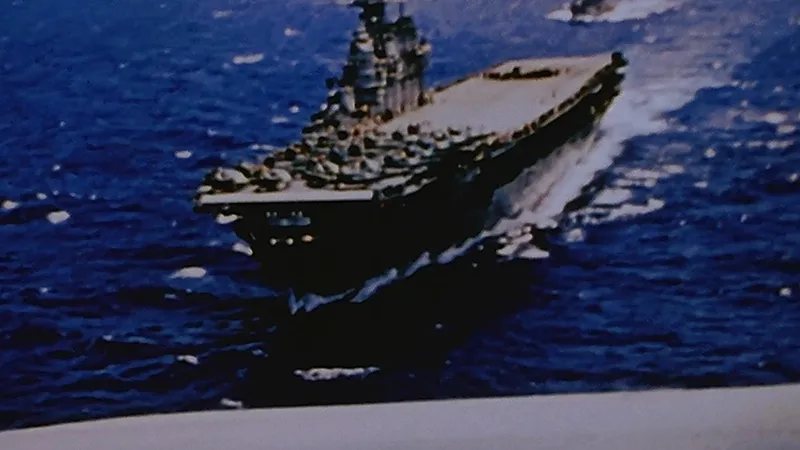
Forgotten history
From the Archives
Films made by and for the U.S. government, saved in America’s public archives.
Wartime, the Cold War, and history most people never saw: 15 films made by U.S. military film units or for government agencies such as the National Park Service and the U.S. Information Agency, some by Hollywood directors in uniform such as John Ford, William Wyler, John Huston, and Frank Capra. Free to watch, each shown with its history and source.
Not available in your country
From the Archives is available to watch in the United States only. Every other film on IFN plays where you are.
Browse films1942–1947 · 11 films
World War II
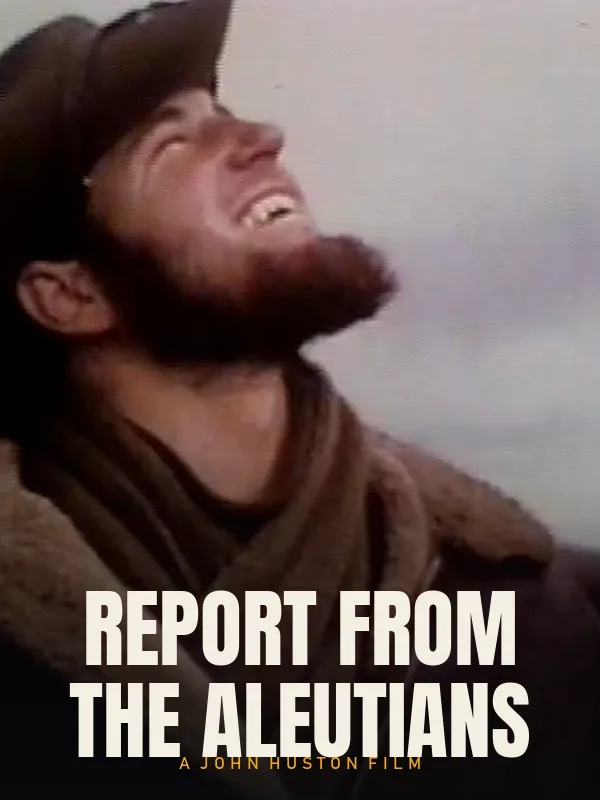
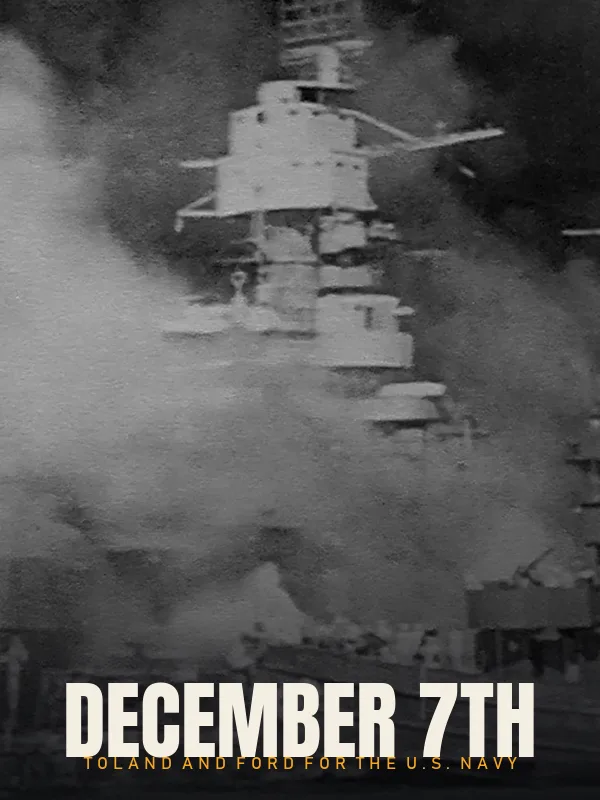
Combat filmed by service camera crews, the Women’s Army Corps and the Tuskegee Airmen, and the men who came home.
Featured from the Archives
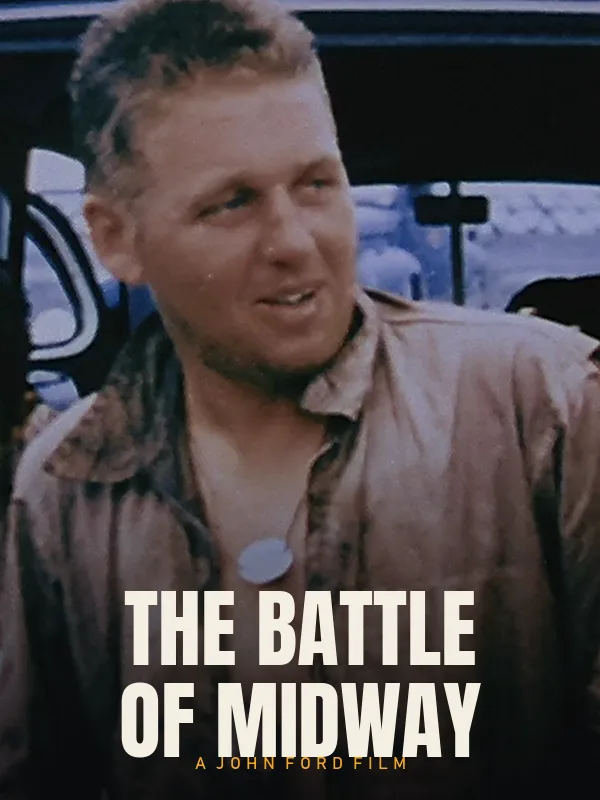
The Battle of Midway
In June 1942, sailors, Marines, and airmen on the tiny Pacific outpost of Midway go about their days until the Japanese attack. John Ford filmed the battle in color as it happened, and the film ends with a memorial service for those who died.
1953–1961 · 2 films
The Cold War
From a secret Arctic air base to a Berlin divided by the Wall.
1979–1986 · 2 films
Nature & the American Land
National Park Service and U.S. Information Agency films about wild America: its forests, its birds, and the people who painted and protected them.
How IFN shows archive films
Labeled for what they are.
These are not independent films. U.S. military film units, and filmmakers working for government agencies, made them to train, recruit, report, keep up morale, and show America and its parks to the world, and some are open propaganda. Each one is labeled From the Archives, with a content note where it needs one, so it’s never mistaken for independent work.
Before an archive film plays on IFN, its rights are checked and its page names the source of IFN’s copy. Most are works of the U.S. government, which are generally in the public domain in the United States; the few made for an agency by outside filmmakers are public domain for the reason shown on their pages. That’s why these films play in the United States.
Credits & licensesIFN Magazine: Let There Be Light: The John Huston Documentary the Army Kept Hidden for 35 Years