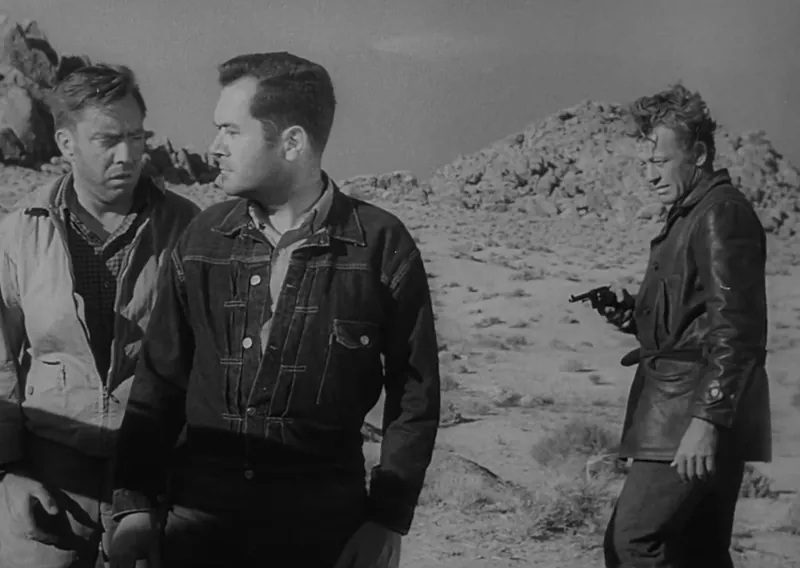
Plenty of classic films are free to watch, share, and even remake, because their copyright has ended. But “old” doesn’t mean “public domain,” and a film from 1960 can still be protected while one from the same year is free for anyone. Here’s how to tell, step by step, the same way IFN checks each film before showing it.
What public domain means
A work in the public domain has no copyright: anyone may copy it, show it, share it, and build on it, without permission or payment. It’s decided country by country. These steps cover the United States; a film in the U.S. public domain can still be protected in other countries, which is why IFN shows its public domain films in the U.S. only.
The quick version, as of 2026, for films published in the U.S.:
- Published before 1931: public domain.
- Published 1931 to 1963 with a copyright notice: public domain if the copyright was not renewed; protected for 95 years if it was.
- Published 1931 to 1977 without a copyright notice: public domain.
- Published 1964 to 1977 with a notice: protected for 95 years after publication.
- 1978 and later: generally protected for decades to come.
- Made by the U.S. government: public domain in the U.S.
Step 1: When was it published?
Copyright for works published before 1978 lasts at most 95 years, and each term runs to the end of the calendar year. So every January 1, another year of films enters the public domain. On January 1, 2026, it was films from 1930, including All Quiet on the Western Front, Animal Crackers, Hell’s Angels, and Morocco, according to Duke Law’s Center for the Study of the Public Domain. Films from 1931 follow on January 1, 2027.
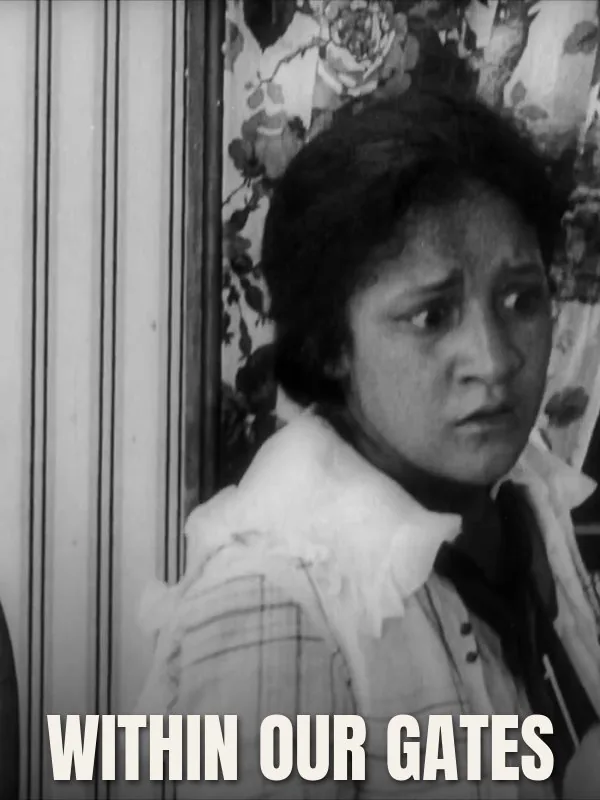
On IFN: Within Our Gates (1920), the oldest surviving feature film by an African American director, Oscar Micheaux, is public domain because its copyright term has long since ended.
Step 2: For 1931 to 1963, was the copyright renewed?
Under the law at the time, a copyright lasted 28 years and then had to be renewed for a second term. Many films, especially low-budget and independent ones, were never renewed, and those fell into the public domain. If a film from these years was renewed, it’s protected for 95 years from publication.
How to check: renewals filed from 1978 on are in the U.S. Copyright Office’s online public records. Earlier records are in the printed Catalog of Copyright Entries, which has been scanned and can be searched on the Internet Archive. Search under the title and the company that made the film, and look in the year the renewal would have been due, the 28th year after publication.
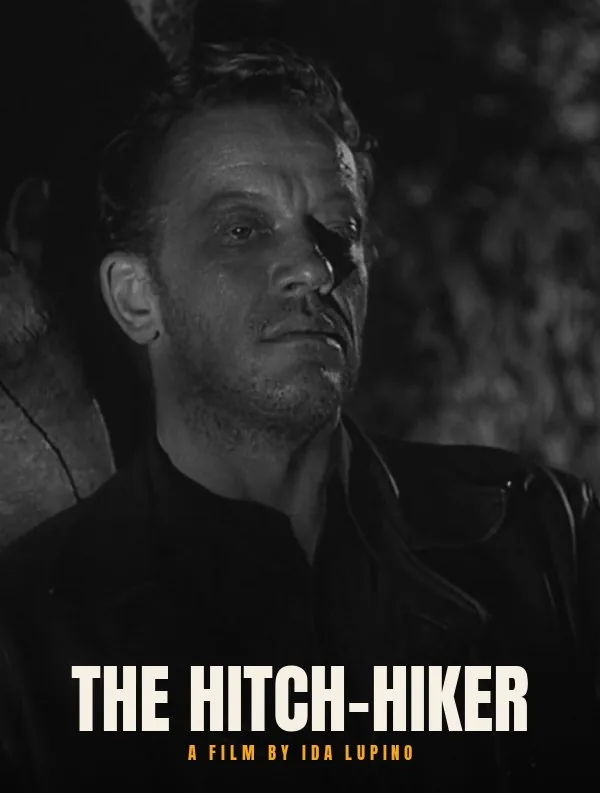
On IFN: The Hitch-Hiker (1953), Destination Earth (1956), and The Little Shop of Horrors (1960) are public domain because their copyrights were not renewed.
Step 3: Did it have a copyright notice?
Until March 1, 1989, a published work needed a copyright notice, usually “©” or “Copyright,” a year, and the owner’s name, often in the opening or closing titles of a film. A film published from 1931 through 1977 without one went straight into the public domain. Check the film itself, ideally an original release print, not a later re-release with new titles.
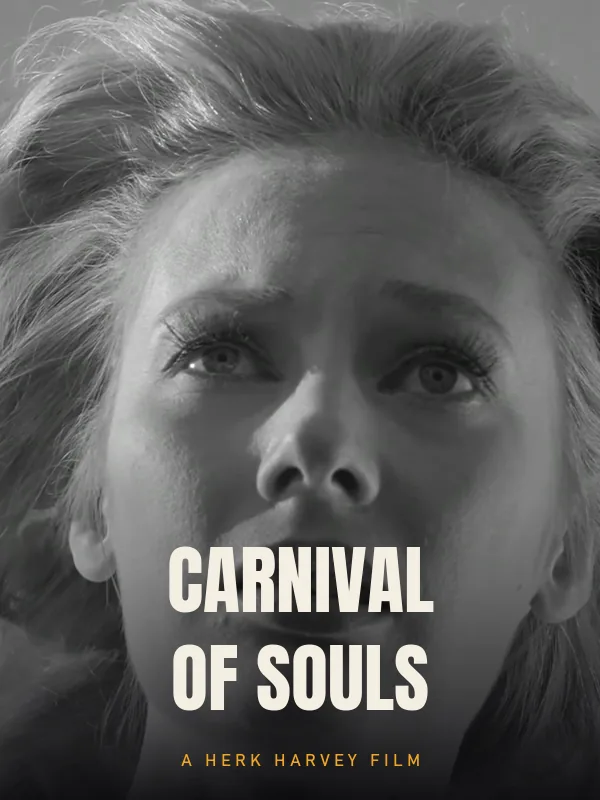
On IFN: Carnival of Souls (1962) and The Terror (1963) were released without a valid notice.
Step 4: Did the U.S. government make it?
Works made by U.S. government employees as part of their jobs aren’t protected by copyright in the United States. That covers a huge archive of films made by the Army, the Navy, and other agencies, many of them kept by the National Archives.
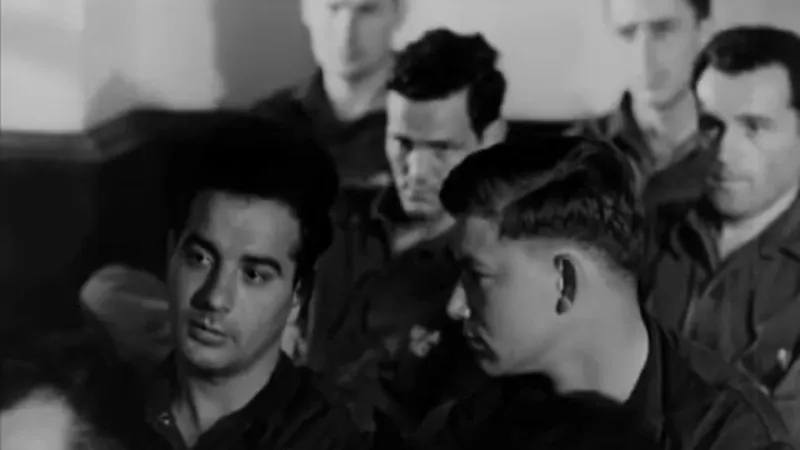
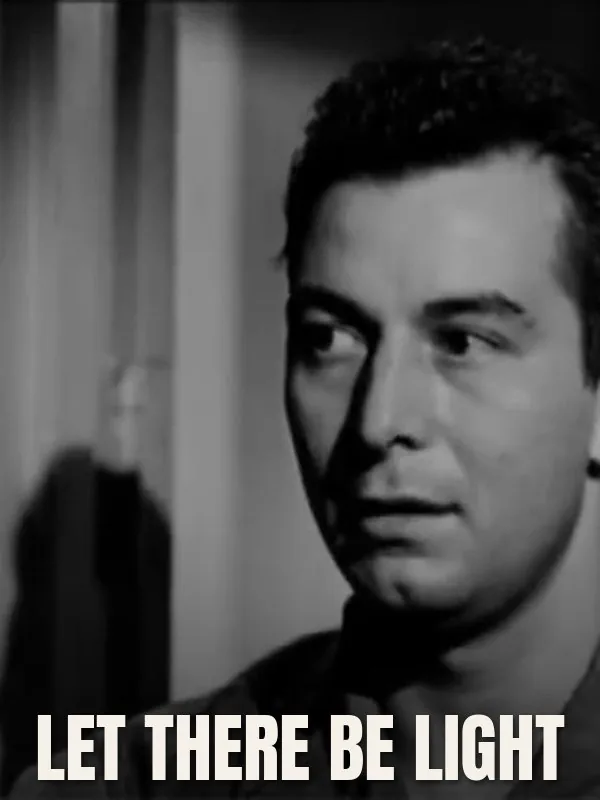
On IFN: Let There Be Light (1946), John Huston’s documentary for the Army, and Operation Blue Jay (1953), from the Army’s TV series The Big Picture, are both U.S. government works. Note that work done by outside contractors can be different, so check who actually made the film.
The traps
- The music and the story can have their own copyright. A film can be in the public domain while the novel it adapts, or the music on its soundtrack, is still protected. As Duke’s center puts it, “a film and its underlying music may have different copyright terms.”
- New versions are new works. A restoration with a new score, a colorized version, or a re-edit can carry its own copyright for what was added. Work from an original version when you can.
- Characters can live on. An early version of a character can be free while later versions, with new traits, are still protected.
- Foreign films are different. Many foreign films that had fallen into the U.S. public domain for missing formalities had their U.S. copyrights restored in 1996, so the steps above don’t settle them.
- Other rights still apply. Trademarks, and the privacy and publicity rights of real people shown, are separate from copyright.
Creative Commons is not public domain
Creative Commons licenses let filmmakers share their work while keeping their copyright. Anyone may show a CC-licensed film, but on the license’s terms: crediting the creator, and for some licenses, sharing changes under the same license or not using it commercially. Blender Studio’s open movies, for example, use the Creative Commons Attribution license. The one exception is CC0, which is a creator’s way of placing a work in the public domain.
How IFN checks a film
Before a film goes on IFN, it gets one documented legal basis: a Creative Commons license, the public domain, or a signed license from the filmmaker. For public domain films, IFN records the reason (published before 1931, not renewed, no notice, or a U.S. government work) and keeps the search results as evidence. Each film’s page shows its basis, and the Credits & Licenses page lists them all. A film with an open question, such as music that may still be protected, is marked while IFN keeps checking. Browse the free films on the Creative Commons and public domain page, or the classics.
Made a film of your own? You keep your copyright when you submit it to IFN for free.
Sources: Cornell University Library, Copyright Term and the Public Domain in the United States (as of January 1, 2026); Duke Law Center for the Study of the Public Domain, Public Domain Day 2026; U.S. Copyright Office, Copyright Public Records; IFN’s rights records. Checked November 8, 2026. This is general information, not legal advice.